
FAQ: The Changing Direction and Increased Pace of Immigration Enforcement
Originally Published by: Kent Pagel, Pagel, Davis & Hill — April 14, 2026
SBCA appreciates your input; please email us if you have any comments or corrections to this article.
FAQ: The Changing Direction and Increased Pace of Immigration Enforcement
By Kent Pagel, SBCA Legal Counsel
Kent Pagel, Partner at Pagel, Davis, and Hill, and Legal Counsel to SBCA, provides insights and information relating to immigration enforcement, direction, and pace within the United States; sharing the importance with the structural building components industry and how this may impact it.
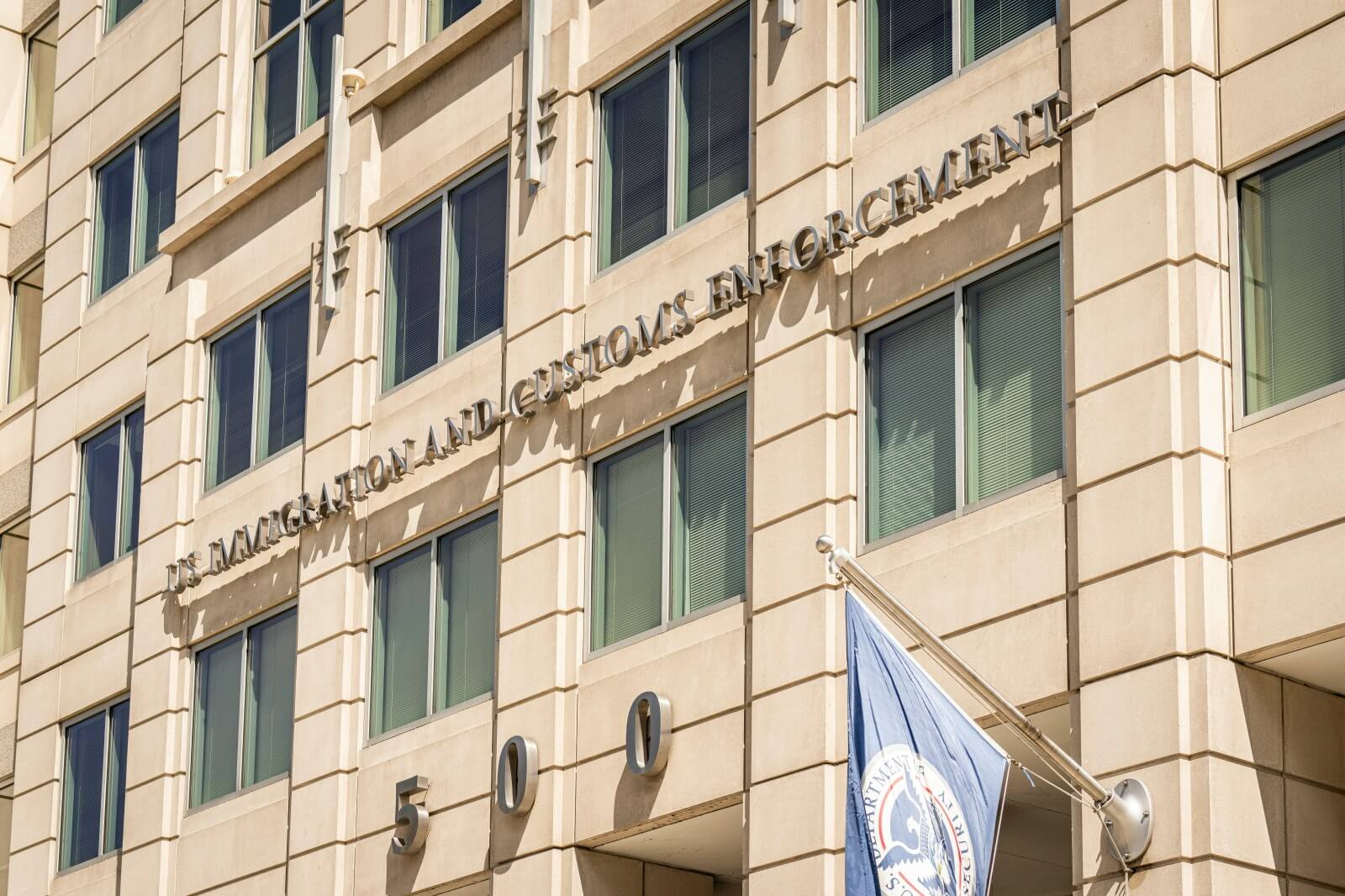
Both the direction and pace at which immigration enforcement is growing should command the attention of the management teams of every component manufacturer (CM). The impact will be felt by each labor-intensive sector of the U.S. economy. First, the focus of enforcement is squarely on employers as opposed to employees. Second, which is not a surprise, the pace of enforcement now rivals an Artemis II flyby.
Q: Can you measure the intensity of current worksite enforcement, investigations, and audits by the federal authorities?
A: ICE and USCIS1 enforcement and investigation (including I-9 audits) of employers has significantly increased over the last 12 months. The Notices of Inspection (NOIs)2 rate in the first half of 2025 was at least 10 times higher than 2024 levels. As the frequency of audits increases, the level of employer compliance is more heavily scrutinized. By way of example:
- Agencies are more likely to interpret “good faith” on the part of employers narrowly.
- Repeated or widespread employer errors are less likely to be excused.
- Employers will be expected to have strong compliance systems, not just an intent to comply.
- Employers are now likely to face an effectively zero-tolerance environment from ICE and Homeland Security (HSI).
Compared to past federal worksite raids, where undocumented employees were the primary focus, enforcement actions today place greater emphasis on employers. In earlier raids, public attention typically centered on employee detentions and arrests, while penalties against employers were less visible and often secondary.
Q: Why has the focus of ICE and HSI shifted to employers?
A: The 2024 presidential election and the government’s response to public opinion. As a means to deter, heavy use of NOIs on the part of HSI is the most likely entry point of today’s enforcement process. Discrepancies, and non-compliance learned by way of an audit, then leads to civil fines and in some cases criminal referrals for knowingly hiring unauthorized workers. Out of these audits conducted in the last year we have also seen a greater emphasis on larger scale financial penalties.3
Deterrence has evolved from highlighting the detention and removal of employees and the disruption to affected companies. It now centers on targeting employers through audits, with outcomes that limit job opportunities and indirectly reduce unauthorized employment.
Q: Where do things stand regarding Department of Homeland Security funding and ICE hiring?
A: The “One Big Beautiful Bill Act” signed into law in July 2025 allocated more than $170 billion for immigration and border enforcement, including funding to hire 10,000 new ICE officers. This enabled ICE to more than double its workforce in January 2026 and provided a system-wide scaling of enforcement capacity.
Q: Are specific industries being targeted for NOIs?
A: Reporting indicates NOIs in 2025 have focused heavily on the following industry sectors: Hospitality, Construction, Staffing Agencies, Healthcare, Landscaping, and Retail. Component manufacturers fall squarely in the mix; maintaining proper documentation and compliance practices is key to minimizing risk and navigating these audits.
Q: Should we expect an overarching goal of the Department of Homeland Security to move more employers to E-Verify, whether voluntarily or involuntarily?
A: It's fair to conclude that ICE will continue to push E-Verify as an ancillary program for adoption by employers while the Form I-9 audits will be its primary enforcement mechanism. Following an NOI, the employer who uses E-Verify will generally demonstrate greater compliance with the I-9 requirements and is clearly demonstrating good faith by choosing to enroll in E-Verify. On the contrary, employers audited who are not enrolled in E-Verify will not likely be viewed as acting in good faith even in the unlikely event that they are fully compliant with the I-9 requirements. Also, many states have already made E-Verify mandatory and a movement in that direction by Homeland Security would not be a stretch.
ICE is scaling employer verification enforcement as a whole, and multiple tools and staff are now available as compared to one year ago. An I-9 audit is the easiest enforcement action for ICE to initiate. It requires only a Notice of Inspection — no warrant, no probable cause. It's effectively a low friction entry point for ICE to examine an employer's compliance with the multitude of I-9 rules and regulations. And those employers in the targeted industry groups need to be mindful of these changes.
Overall, immigration enforcement is becoming more frequent, more resourced, and more focused on employers rather than employees. With audits serving as the primary enforcement tool and financial penalties increasing,component manufacturers and other industries with a large labor component should expect greater scrutiny. In this environment, strong compliance systems, accurate documentation, and proactive practices are essential to managing risk and navigating ongoing enforcement activity.
[1] U.S. Immigration and Customs Enforcement (ICE) and U.S. Citizenship and Immigration Services (USCIS).
[2] Issued by ICE, a Notice of Inspection starts an ICE audit of the Form I-9s within a company.
[3] The Department of Homeland Security raised I-9 penalties in 2025 up to $28,000 per worker for serious violations. Even “paperwork” violations can result in thousands per form. Large employers can face multi-million-dollar liability. ICE has published a listing of three companies in the Denver area which received over $8 million in fines for very high violation rates of knowingly hiring unauthorized workers, with two of those companies having a 100% violation rate.