
Framing Better Through Lessons Learned
A Collection of Shared Lessons That Turn Experience into Improvement
By Christine Wagner
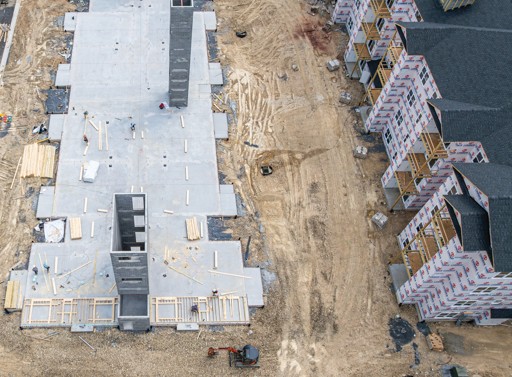
Framing is full of moving parts, and every project brings its own set of challenges. Jobsites change, labor concerns and shifts, and clients bring new demands. Every project offers something to learn, whether it is about improving a process, working better with people, or finding a smarter way to frame. No matter where they come from, lessons are what turn daily challenges into long-term improvements.
“We’ve been doing this a long time and the biggest lesson we’ve learned is that stuff changes, and that’s just business,” says Mike and Matt Grossman, Owners of Building Solutions and American Pride Builders. “We have learned a new lesson every week throughout our careers. This business is constantly changing, so it is important to learn how to accept and adapt to those changes.”
Hearing how others approach their work can provide valuable perspective. This article will be the start of a new series where we share framer’s stories that will offer insights into processes, leadership approaches, and field practices that have proven effective or that they’ve learned and grown from, showing how others have worked through similar challenges you may face yourself.
Learning in Real Time
 Compiling lessons learned has become a powerful way for framers to make continuous improvements. By capturing insights as they happen, companies can reflect on what went right, identify where they can do better, and turn those lessons into lasting practices. The result is stronger systems, better communication, and projects that keep moving forward.
One approach is to use a shared platform so the whole company can contribute and learn. At Next Level Construction, all field managers, pre-construction staff, and estimators add their lessons to a Teams channel, where they are categorized by phases such as pre-construction or installation. This creates an open library of knowledge that grows over time. “This open channel exists for everyone in our company, and we keep building on it,” says Gil Capelini, Vice President of Next Level Construction. “Through these lessons learned, we continue to create company systems to help us improve and continue doing better.”
Similarly, Morin Construction creates a list of lessons learned after every project implemented. The company utilizes this tool to better its business practices and make improvements throughout its process. “We’ve used this to create a checklist for jobs that we’ll go through,” says Greydn Morin, Owner/CEO at Morin Construction. “A lot of these lessons learned actually convert into checklists and some convert into training and case study training, as well. We believe that it’s okay to make a mistake, but it’s important to learn from it.”
Organization That Pays Off
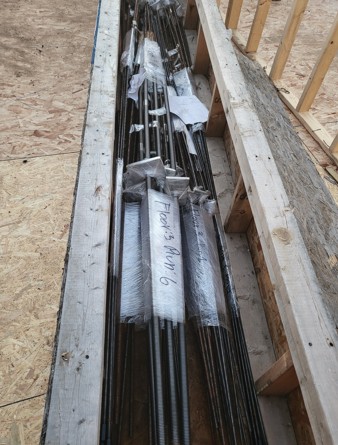
Mindak's organized hardware containers. Photo COURTESY OF MINDAK CONSTRUCTION
One recurring lesson is that organization pays off. Hardware on a jobsite can get messy and disorganized if not managed properly, slowing crews down and increasing overall costs. For Mindak Construction, this was a familiar problem. “We used to have this hardware container, where all the hardware would go into it and the foreman would organize it,” says Christian Sickler, Field Manager at Mindak Construction. “After two-three weeks into the project, it’s no longer organized. It makes stuff hard to find.”
To streamline the process, a new system in which hardware is organized according to each floor or phase of the building was implemented. “We’ve broken it out now where each floor and/or phase of the building gets its own hardware pallet,” says Jaare Kraus, Operations Manager at Mindak Construction. “Christian and I will go through the blueprint on the front end of the job and figure out how many pieces of hardware are needed for each area. Then, our guys from the prefab shop organize them into labeled boxes, which are then sent to the jobsite. Now the hardware correlates to that specific floor/phase and only what is needed for that section is there.”
Christian has seen the difference firsthand. “With this new system, all the hardware is where you need it, and it is way more organized,” he says. “The guys aren’t running back and forth between containers or floors trying to track stuff down. It keeps everyone focused and is much more efficient.”
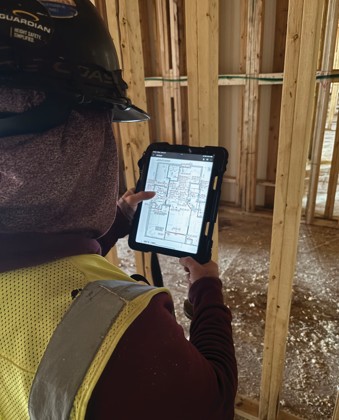 Mindak's Punch Process.
The system ensures accountability, reduces waste, and helps crews stay efficient. “Recently we had a small number of our boxes returned to us whereas we'd normally have a pallet of leftover hardware,” Jaare continues. “That means that everything that needed to be installed was installed, demonstrating that the plans are getting followed from pre-con all the way through install.”
Mindak also applies this principle of organization to its punch process. In the past, punch lists were scattered and inconsistent, which created confusion and rework. Now they prepare punch books for each unit type in advance, including every rough opening and accessory backing detail. Clients review and approve the books ahead of time, so changes are agreed upon before crews arrive onsite. Foremen and leads walk the jobs with the punch book in hand, and supervisors verify behind them, which keeps the process consistent and efficient. Recently, the company began translating these punch books into Spanish so every employee can access the information clearly.
Lessons That Last
 Mindak's organized hardware containers. Photo COURTESY OF MINDAK CONSTRUCTION
If there is one thread that ties these stories together, it’s that progress begins with reflection and grows through adaptability. The ability to pause, take note of what worked, and capture it in a system or checklist turns experience into improvement. At the same time, the willingness to adjust and evolve keeps that improvement going.
“Be willing to adapt,” concludes Mike and Matt Grossman. “We'd love to be able to say that this is what we do and we stick to it, but you can’t do that because there’s always new stuff coming out. New products, new ways, and every GC you work with are different. It is important to learn to adapt and accept changes.”
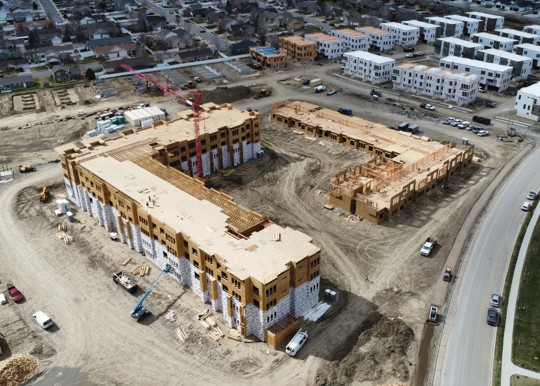 Photo COURTESY OF MORIN CONSTRUCTION
From companywide lesson-sharing platforms to organized hardware systems and consistent punch processes, each of these framers demonstrates how structure and self-assessment lead to smoother projects and smarter decisions. Every job teaches something. Some lessons are small, others are transformative, but all of them matter. The framers who take time to reflect, share, and implement those lessons are the ones who grow stronger with each project. The stories shared here show how systems, organization, communication, and leadership all benefit when lessons are captured, adapted, and acted upon. Just as important, they highlight the power of learning from each other—and how that ongoing spirit of reflection and adaptability will continue to shape the industry.
Editor’s Note: Thank you to all those whom I interviewed for your insights and willingness to share your challenges, successes, and the many lessons learned helping to not only grow your business, but the overall industry through NFC’s Framing Today Magazine. This is part of a series of Lessons Learned; if you are interested in sharing lessons you’ve learned and being a part of this article series, please reach out to Christine Wagner at cwagner@sbcacomponents.com | 224-236-3724.