
The Dynamic Duo
The Partnership That Drives Performance
BCMC 2025 Education Session: The Dynamic Duo: Component Manufacturers and Framers
Speakers: Chris Tatge, Dynamic Construction/DC Materials; Ken Kucera, 84 Lumber
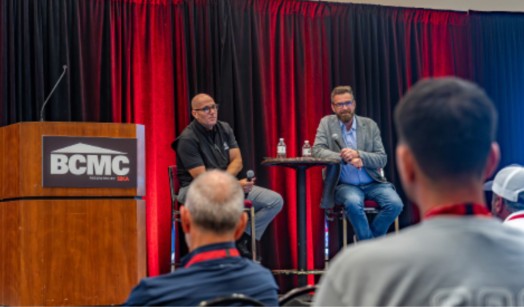
Few partnerships in construction influence a project’s outcome more than the one between the component manufacturer and the framer. That relationship sits at the center of efficiency, quality, and overall success. When it works, it can turn a good project into a great one. In this session, a pair of seasoned industry leaders, Chris Tatge, President of Dynamic Construction, and Ken Kucera, Vice President of Installed Sales and Manufacturing at 84 Lumber, explored that partnership in a lively, fireside-style conversation, sharing insights from both the plant and the jobsite. The dialogue was open, candid, and immediately practical – exactly the kind of real-world exchange that left the audience wanting more. The questions that followed the session prompted a continued, highly engaging and insightful discussion.
Chris and Ken dedicated time to the reality of framing today: with labor tight, builder expectations rising, and schedules compressed, the CM-framer relationship isn’t optional, it’s strategic. The “gap” between plant and field can quietly derail a project when priorities or assumptions are misaligned. When it’s bridged with communication, trust, and clear expectations, it becomes a powerful advantage that results in faster cycle times, cleaner installs, and builder loyalty.
The nuts and bolts of the session centered around what each side values most. For many framers, professionalism tops the list: returning calls, communicating clearly, and owning responsibilities. For manufacturers, chasing the lowest price is a red flag; a true partnership requires mutual investment in coordination, accuracy, and shared goals. Chris and Ken both urged companies to define non-negotiables before a contract is signed: reliability, transparency, and follow-through. The best pairings, they agreed, are built on consistency, not convenience.
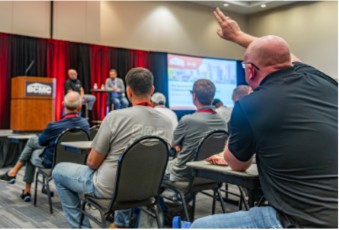
The discussion around values set the stage for a thoughtful breakdown of “turnkey,” a word that means something different to almost everyone. In some markets, the term is used universally, while in others, it’s barely understood. For manufacturers, turnkey goes beyond delivering components; it’s integrating design, logistics, and installation around the framer’s sequencing. For framers, it means predictability and precision, materials staged correctly, deliveries aligned to crew workflow, and jobsite efficiency protected. When both sides plan together, inevitable hiccups become manageable moments rather than costly setbacks.
Another focus of the session was risk management. In some regions, general contractors bypass framers and buy components directly. That might look efficient on paper, but it often introduces risk when the buyer isn’t a wood-frame expert. The CM-framer tandem minimizes that exposure by combining technical knowledge with field awareness. In this model, the framer acts similarly to a sales partner – identifying opportunities while the CM builds a team of designers, production managers, and logistics leads to support success from preconstruction through installation.
Chris and Ken stressed that success depends on involving the right people early on. Too many projects get handed to the “next designer up” rather than the one who thinks critically and acts efficiently. A project lead should track the project from start to finish – coordinating deliveries, calling in favors when necessary, and balancing priorities as conditions change. Treating complex, high-visibility projects like “just another order” is how opportunities turn into problems.
The session had one recurring theme: empathy. Understanding your counterpart’s struggles – cash flow, plant throughput, or site constraints – changes everything. Think of it as “putting a mint on the pillow.” Layering small, proactive touches that remove friction for the other side makes all the difference. Confirm staging areas before a load plan is built. Align delivery timing with crew capacity. Ask how the building will be framed, not just when. These small gestures save hours, reduce tension, and strengthen trust.
These lessons were brought to life with real examples. Jobs that struggled shared the same root cause: assumptions left unspoken and partners chosen for convenience. Projects that excelled had clear communication, early involvement of decision-makers, and unwavering accountability. The payoff was visible: better installs, fewer delays, and happier builders who return for more work.
Looking ahead, technology will continue to amplify the importance of alignment. Software integration, digital modeling, and robotics can reduce friction and improve precision, but only if plant and field stay in sync. Tech shouldn’t replace trust; it should amplify it.
By the session’s close, the formula for success was unmistakable. The dynamic duo becomes such when a partnership is founded on professionalism, defined expectations and jobsite conditions, and when empathy stays front and center. When component manufacturers and framers can operate as one team, builders notice. Projects move faster. Quality improves. This wasn’t a session about changing how either side works. It was about reminding the industry that the best results happen when component manufacturers and framers work together – on purpose.